GarageBand Review 2026: Is Apple’s Free DAW Still Worth It?
GarageBand by Apple Inc. remains one of the most accessible digital audio workstations available today. Built for macOS and iOS, it offers an intuitive interface, high-quality built-in sounds, and a seamless creative workflow—all for free. Whether you're a beginner learning music production or a content creator needing fast audio tools, GarageBand provides a powerful yet simple environment. In this detailed review, we explore its features, performance, usability, and how it compares to other DAWs in 2026.

Introduction
GarageBand, developed by Apple Inc., has long been the gateway into music production for millions of users. Pre-installed on macOS and iOS devices, it offers an accessible entry point into the world of digital audio workstations.
Positioned below Logic Pro, GarageBand is designed for beginners, creators, and musicians who want a streamlined workflow without sacrificing creative power.
Pricing & Plans
Price: Free
GarageBand comes bundled with Apple devices and includes all features with no additional cost.
System Requirements
- macOS Ventura or later
- Apple Silicon recommended
- 4GB RAM minimum (8GB+ recommended)
Interface & User Experience
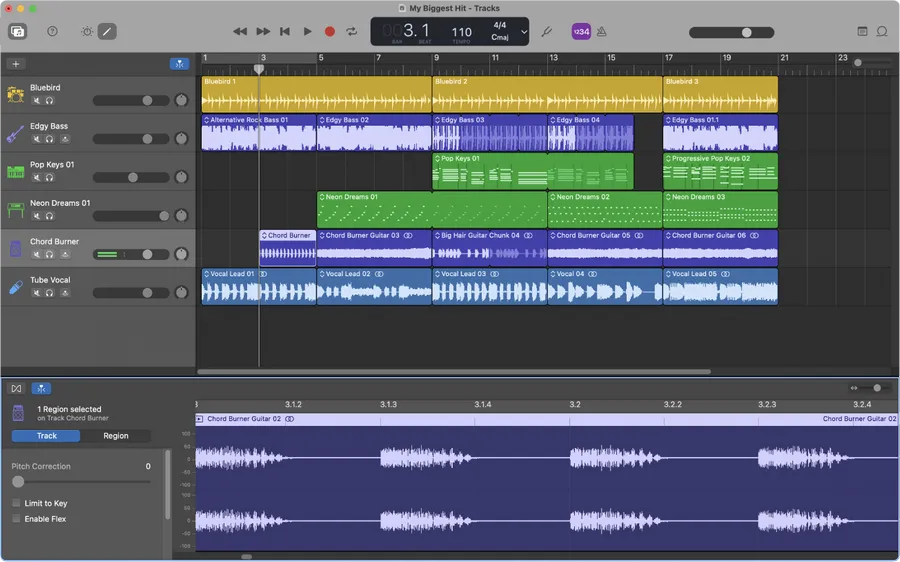
GarageBand features a clean, intuitive interface that prioritizes ease of use. Its drag-and-drop workflow makes it easy for beginners to start creating music instantly.

Core Features Breakdown
Live Loops
Allows dynamic music creation using grid-based triggering.
Drummer
Automatically generates realistic drum patterns.
Smart Instruments
Helps beginners create music without advanced knowledge.
Multi-track Recording
Supports full music production with multiple tracks.
Latest Updates
- Improved performance on Apple Silicon
- Better stability
- Enhanced Logic Pro integration
Performance & Stability
GarageBand runs smoothly on modern Macs with excellent optimization and minimal latency.
Tools & Built-in Content
- Software instruments
- Apple Loops
- Guitar amps and effects
- Basic mixing tools
Workflow & Productivity
GarageBand is designed for fast idea creation with minimal setup.
Pros & Cons
Pros:
- Free
- Beginner-friendly
- Optimized for Mac
Cons:
- Mac-only
- Limited advanced features
Comparison
Compared to Logic Pro, GarageBand is simpler but less powerful. Compared to Ableton and FL Studio, it is easier to use but less flexible.
Final Verdict
GarageBand remains one of the best free DAWs available. Ideal for beginners and creators.
- 100% free for Apple users
- Beginner-friendly interface
- High-quality loops & instruments
- Seamless integration with Logic Pro
- Only available on macOS & iOS
- Limited advanced mixing tools
- Not ideal for large-scale projects
Best DAW Software 2026: Top 7 Picks for Beginners & Music Producers
Choosing the right DAW in 2026 can completely change how you make music. The wrong software slows you down—while the right one can turn ideas into finished tracks in minutes. In
-
By: Ardi Pratama

Waves Harmony Review – Surprisingly Powerful, Slightly Confusing (at First)
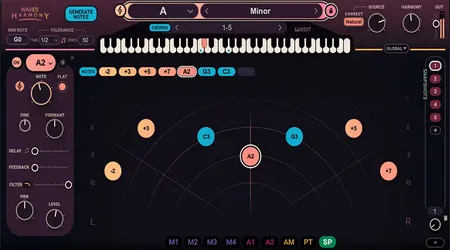
Let me be honest — the first time I opened Waves Harmony, I just stared at it for a few seconds. Not because it looked bad. But because I wasn’t immediately sure where to start.
-
By: Ardi Pratama
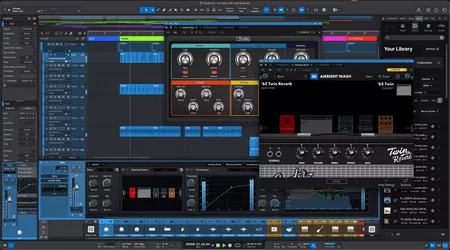
Fender Studio Pro Review (2026): A Surprising All-In-One DAW with Studio-Grade Power
Fender Studio Pro, developed by PreSonus Audio Electronics, Inc., enters the competitive DAW market with a bold promise: combine studio-grade production tools with musician-first
-
By: Adrian Vexley
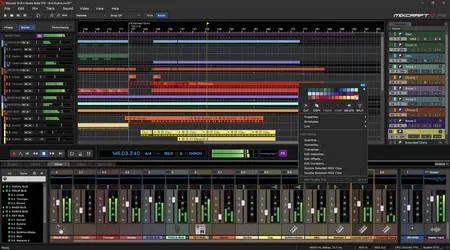
Mixcraft Review 2026: A Powerful, Beginner-Friendly DAW That Punches Above Its Price
If you're searching for a digital audio workstation that balances power, simplicity, and affordability, Mixcraft by Acoustica, LLC deserves serious attention. Known for its
-
By: Adrian Vexley
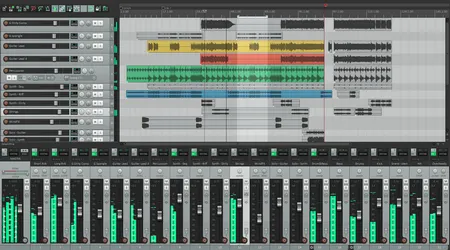
REAPER Review 2026: The Most Powerful Budget DAW for Professionals?
REAPER by Cockos Inc. has built a reputation as one of the most powerful yet affordable digital audio workstations available today. Loved by audio engineers, producers, and power
-
By: Adrian Vexley
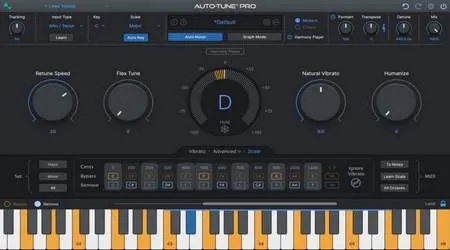
Antares Auto-Tune Pro — A Tool That Shapes Intent, Not Just Pitch
When discussing vocal production, it’s difficult to separate technique from intention. Pitch correction, in that sense, is not merely about fixing inaccuracies—it’s about defining
-
By: Adrian Vexley