Best DAW Software 2026: Top 7 Picks for Beginners & Music Producers
Choosing the right DAW in 2026 can completely change how you make music. The wrong software slows you down—while the right one can turn ideas into finished tracks in minutes.
In this guide, we break down the best DAW software for every type of producer, from beginner-friendly tools like FL Studio to professional industry standards like Ableton Live 12 and Pro Tools.
Whether you're making beats, recording vocals, or building full productions, you don’t need to test everything—we’ve already done the work to help you find the perfect DAW for your workflow 😎🎧

Music production in 2026 has reached a whole new level. What used to require expensive studios, racks of gear, and a sound engineer yelling “one more take!” can now be done entirely on a laptop—sometimes even in your bedroom… or at 3 AM with headphones on so your neighbors don’t file a complaint 😅
Thanks to the evolution of Digital Audio Workstations (DAWs), making music has never been more accessible. Whether you're just starting out or already producing tracks professionally, choosing the right DAW can seriously impact your workflow, creativity, and overall sound quality.
But here’s the tricky part—there are a lot of DAWs out there.
From beginner-friendly options like FL Studio (where many producers made their first beat… and probably 100 unfinished ones 😆) to industry-standard software like Avid Pro Tools used in professional studios worldwide, every DAW has its own strengths, workflow, and personality.
Some are built for speed and creativity.
Some are designed for precision and recording.
And some… well, they’ll make you feel like a genius and confused at the same time.
That’s why choosing the best DAW software in 2026 isn’t about following hype—it’s about finding the one that fits you. Your style, your workflow, and how your brain likes to create music.
Are you a beatmaker chasing that perfect loop?
A vocalist trying to record clean takes without losing your mind?
Or a producer building cinematic tracks that sound like a movie trailer?
Whatever your goal, your DAW is going to be your main weapon.
In this guide, we break down the best DAW software in 2026, based on features, usability, performance, and real-world experience—so you don’t waste time installing 10 DAWs just to end up back where you started (we’ve all been there 😆).
Let’s dive into the top DAWs that are shaping music production in 2026 👇
What is a DAW?
Before jumping into the best DAW software in 2026, let’s quickly break down what a DAW actually is—without making it sound like a boring tech lecture 😆
A Digital Audio Workstation (DAW) is software that allows you to record, edit, mix, and produce music all in one place. Think of it as your personal music studio inside a computer.
Instead of needing expensive hardware like mixing consoles, tape machines, and racks of gear, a DAW gives you everything digitally—from virtual instruments and audio effects to advanced editing tools.
In simple terms:
👉 If music production were a game, a DAW would be your main character.
What Can You Do with a DAW?
With a modern DAW like Ableton Live 12 or Apple Logic Pro, you can:
- Record vocals and instruments
- Create beats and melodies using MIDI
- Mix and balance your tracks
- Add effects like reverb, EQ, and compression
- Arrange full songs from start to finish
Basically, everything you hear in a song—from drums to vocals—can be created and polished inside a DAW.
Why Choosing the Right DAW Matters
Here’s the truth bro—
All DAWs can technically do the same thing.
But… the way they do it feels completely different.
Some DAWs like FL Studio are super beginner-friendly and fast for making beats.
Others like Avid Pro Tools are built for precision and professional studio work.
Choosing the wrong DAW won’t stop you from making music…
But choosing the right one will make everything feel way easier and more fun.
Ready to Find Your Perfect DAW?
Now that you understand what a DAW is and why it matters, it’s time to dive into the tools that are actually dominating music production in 2026.
Instead of wasting time trying random software and ending up confused (or installing 5 DAWs and using none 😆), we’ve done the hard work for you.
👉 Below, you’ll find the Top 7 Best DAW Software in 2026, carefully selected based on features, performance, workflow, and real-world usability.
Whether you're a beginner or a professional producer, this list will help you discover the DAW that fits your style perfectly.
Let’s jump into the list and find your ideal DAW 👇
Top 7 Best DAW Software in 2026




Best DAWs Compared 2026
| DAW | Best For | Skill Level | OS Support | Key Strength | Weakness |
|---|---|---|---|---|---|
| Ableton Live | EDM, Live Performance | Intermediate–Pro | Windows / Mac | Creative Workflow, Session View | Expensive |
| Logic Pro | All-in-One Production | Beginner–Pro | Mac Only | Huge Library, Great Value | Mac Only |
| Cubase | Composition, Scoring | Intermediate–Pro | Windows / Mac | Advanced MIDI Tools | Complex Interface |
| FL Studio | Beginners, Beatmaking | Beginner–Intermediate | Windows / Mac | Best Piano Roll, Easy Workflow | Mixing Less Advanced |
| Pro Tools | Recording, Studio | Advanced | Windows / Mac | Industry Standard | Expensive Subscription |
| REAPER | Advanced Users, Budget | Intermediate–Pro | Windows / Mac / Linux | Lightweight, Customizable | UI Less Friendly |
| Bitwig Studio | Sound Design, Modular | Intermediate–Pro | Windows / Mac / Linux | Advanced Modulation System | Less Popular for Recording |
How to Choose the Right DAW in 2026
Now that you’ve seen the comparison, you might be thinking:
“Okay… they all look good. So which one should I actually pick?” 😅
Don’t worry—you’re not alone. Choosing a DAW can feel overwhelming, especially when every option claims to be “the best.”
The truth is:
👉 There is no single best DAW.
👉 There is only the best DAW for you.
Let’s break it down in a simple way.
1. Choose Based on Your Music Style
Different DAWs shine in different genres:
- If you make EDM or electronic music → Ableton Live 12 or FL Studio
- If you record vocals or bands → Avid Pro Tools
- If you compose orchestral or film music → Steinberg Cubase
💡 Think of it like choosing a weapon in a game—same goal, different playstyle.
2. Consider Your Experience Level
Be honest here (no judgment 😆):
- Beginner → FL Studio or Apple Logic Pro
- Intermediate → Ableton Live 12
- Advanced → Avid Pro Tools, Cockos REAPER
Starting with a complex DAW too early is like trying to fly a plane before riding a bike… technically possible, but not recommended 😅
3. Check Your Operating System
This one is simple but important:
- Mac users → Apple Logic Pro is a no-brainer
- Windows users → Most DAWs work great
- Linux users → Cockos REAPER or Bitwig Studio
4. Workflow Matters More Than Features
Here’s a secret most beginners don’t realize:
👉 All DAWs can produce professional-quality music.
What really matters is how fast and comfortable you can work.
- Love fast beat-making? → FL Studio
- Love experimenting? → Bitwig Studio
- Love structured recording? → Avid Pro Tools
If a DAW “clicks” with your brain, that’s the one.
5. Budget & Value
Let’s be real—budget matters.
- One-time purchase → Apple Logic Pro
- Lifetime updates → FL Studio
- Budget-friendly → Cockos REAPER
- Subscription → Avid Pro Tools
💡 Expensive doesn’t always mean better—sometimes it just means… more features you may never use 😆
Final Tip (Important!)
Don’t fall into this trap:
👉 “I need the best DAW before I start.”
No—you need to start first.
Because at the end of the day:
Your skills matter more than your software.
Even the best DAW won’t fix a bad idea… but a good idea can shine in any DAW 🔥
What’s Next?
Now that you know how to choose the right DAW…
👉 Let’s answer some of the most common questions producers have in 2026.
Frequently Asked Questions About DAWs (2026 Guide)
What is the best DAW software in 2026?
The best DAW software in 2026 depends on your needs, experience level, and music style. For beginners, tools like FL Studio and Apple Logic Pro are excellent choices due to their ease of use and powerful built-in features. For professionals, Avid Pro Tools remains the industry standard for recording and mixing, while Ableton Live 12 is a favorite for electronic music and live performance.
👉 In short: the “best DAW” is the one that fits your workflow—not just the most popular one.
Which DAW is best for beginners?
If you're just starting out, FL Studio is widely considered one of the best DAWs for beginners thanks to its intuitive interface and powerful piano roll. Apple Logic Pro is another great option for Mac users who want a more complete production environment.
Beginner-friendly DAWs usually offer:
- Simple layout
- Easy drag-and-drop workflow
- Built-in sounds and instruments
💡 And yes… your first 10 projects might sound weird—but that’s part of the process 😆
What DAW do professional producers use?
Professional producers use a variety of DAWs depending on their workflow:
- Avid Pro Tools → Industry-standard for recording & mixing
- Ableton Live 12 → Electronic music & live performance
- Steinberg Cubase → Composition & film scoring
- Apple Logic Pro → All-in-one production
There’s no single DAW used by all professionals—it’s all about preference and workflow.
Is there a DAW that works on all operating systems?
Most major DAWs support both Windows and macOS, including Ableton Live 12, FL Studio, and Avid Pro Tools.
However:
- Apple Logic Pro is Mac-only
- Cockos REAPER and Bitwig Studio also support Linux
So make sure your DAW matches your system before installing it—unless you enjoy troubleshooting more than making music 😅
Are paid DAWs better than free DAWs?
In most cases, yes—paid DAWs offer more advanced features, better plugins, and professional tools for recording, mixing, and mastering.
Premium DAWs like:
- Avid Pro Tools
- Steinberg Cubase
- Ableton Live 12
…provide deeper control and scalability compared to free alternatives.
However, a skilled producer can still create amazing music with any DAW—paid or free.
Which DAW is best for recording vocals?
For recording vocals, Avid Pro Tools is widely considered the best due to its precision editing, high-quality audio engine, and studio-standard workflow.
Other great options include:
- Apple Logic Pro
- Steinberg Cubase
These DAWs offer powerful tools for recording, editing, and mixing vocals professionally.
Which DAW is best for beatmaking?
If you're focused on beatmaking, FL Studio is one of the best choices thanks to its step sequencer and legendary piano roll.
Ableton Live 12 is another strong option, especially for producers who prefer a more flexible and performance-based workflow.
Which DAW is best for film scoring and composition?
For orchestral music and film scoring, Steinberg Cubase is one of the top choices due to its advanced MIDI tools and scoring features.
Apple Logic Pro is also popular among composers for its built-in instruments and ease of use.
Do I need a powerful computer for a DAW?
Yes—but not as powerful as you might think.
Most modern DAWs like Cockos REAPER and FL Studio can run on mid-range systems.
However, for heavy projects with lots of plugins and tracks, a stronger CPU and more RAM will help prevent lag and crashes.
Can I switch DAWs later?
Absolutely.
Many producers start with one DAW and switch later as their skills grow. The core concepts—like MIDI, mixing, and arrangement—are transferable across all DAWs.
💡 Just be prepared for a short “confusion phase”… where everything feels unfamiliar again 😆
😄 Still Confused? Don’t Worry…
At this point, you might be thinking:
👉 “Okay… they all sound amazing. So why do I still feel confused?” 😅
Relax—that’s completely normal.
Choosing a DAW is a bit like choosing your favorite food.
There are tons of great options, everyone has a different opinion, and somehow… you still end up going back to the same one you like the most 😆
Some producers swear by Ableton Live 12.
Others won’t leave FL Studio no matter what.
And then there are those who treat Avid Pro Tools like it’s a sacred studio ritual.
The truth?
👉 You don’t need to try every DAW on the planet.
👉 You just need one that feels right when you use it.
Because let’s be honest…
Spending more time downloading DAWs than actually making music is not the goal 😆
Final Verdict: Which DAW Should You Choose in 2026?
After comparing features, workflows, and real-world usability, one thing is clear:
👉 There is no “perfect” DAW—only the one that fits you best.
Each software on this list has its own strengths, and the right choice depends on how you create music.
Quick Recommendations (Simple & Clear)
- Best for Beginners: FL Studio
- Best for Creativity & Live Performance: Ableton Live 12
- Best All-in-One (Mac Users): Apple Logic Pro
- Best for Recording & Mixing: Avid Pro Tools
- Best for Composition & Film Scoring: Steinberg Cubase
- Best Budget Professional DAW: Cockos REAPER
- Best for Experimental Sound Design: Bitwig Studio
💡 The Real Truth (No One Tells You This)
Here’s something most guides won’t say:
👉 The DAW you choose won’t make you a great producer.
👉 But the one you stick with will.
You could have the most expensive setup with Avid Pro Tools…
Or a simple workflow in FL Studio…
At the end of the day, it’s your creativity, consistency, and practice that matter most.
Final Advice (Important!)
Don’t get stuck in this loop:
- Watching endless DAW comparisons
- Downloading multiple trials
- Still not making any music 😅
👉 Pick one DAW.
👉 Learn it deeply.
👉 Start creating.
Because your first track won’t be perfect…
But your tenth one will be way better 🔥
Ready to Start Producing?
Now that you know the best DAW software in 2026…
👉 It’s time to take action.
Choose the DAW that fits your workflow, download it, and start making music today.
💡 The sooner you start, the faster you improve.
Pro Tip (Monetization Boost)
If you're serious about music production, consider investing in:
- 🎧 A good pair of studio headphones
- 🎹 A MIDI controller
- 🎚️ Quality plugins & sound libraries
These tools, combined with the right DAW, will significantly improve your production quality.
Bottom line:
The best DAW in 2026 is the one that keeps you creating, not overthinking.
Waves Tune Real-Time Review (2026): Fast, Simple, But Is It Worth It?
Alright, let’s be honest for a second… When someone says auto-tune, most people immediately think of robotic vocals and that obvious “T-Pain effect.” So when I first tried Waves
-
By: Ardi Pratama
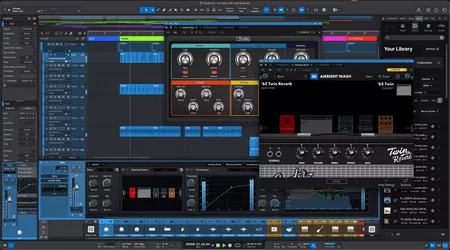
Fender Studio Pro Review (2026): A Surprising All-In-One DAW with Studio-Grade Power
Fender Studio Pro, developed by PreSonus Audio Electronics, Inc., enters the competitive DAW market with a bold promise: combine studio-grade production tools with musician-first
-
By: Adrian Vexley
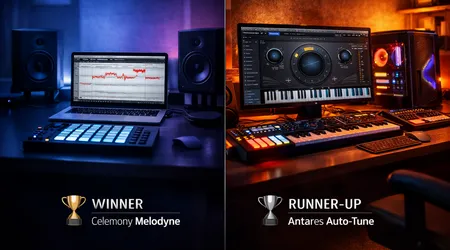
Melodyne vs Auto-Tune: Choosing the Right Workflow for Vocal Production
At a glance, pitch correction might appear purely technical—an effort to bring notes into alignment. Yet in practice, it often reflects a deeper creative decision: how much of the
-
By: Adrian Vexley
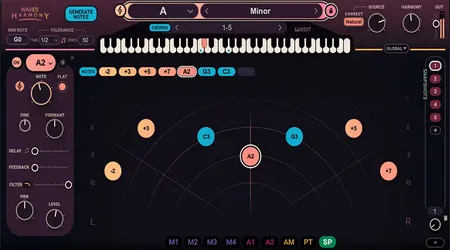
Waves Harmony Review – Surprisingly Powerful, Slightly Confusing (at First)
Let me be honest — the first time I opened Waves Harmony, I just stared at it for a few seconds. Not because it looked bad. But because I wasn’t immediately sure where to start.
-
By: Ardi Pratama
SuperRack SoundGrid Review – Real-Time Plugin Power Without the Headache?
Let’s be honest—running plugins live is one of those things that sounds easy in theory… until your CPU starts crying mid-show. That’s where SuperRack SoundGrid from Waves Audio
-
By: Ardi Pratama
CapCut Free vs Pro — Do You Actually Need to Upgrade?
CapCut is free… until you actually try to make something good — then it quietly reminds you what ‘free’ really means.
-
By: Nara Kinsley