First Impression
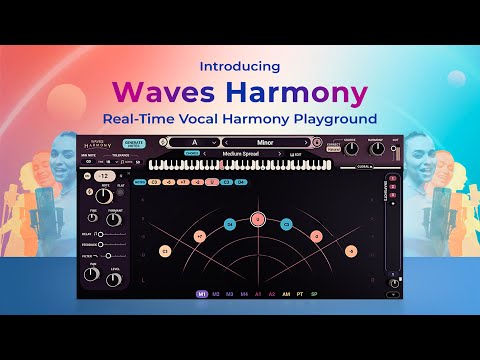
Waves Harmony is basically a real-time vocal harmony generator. You feed it your vocal, and it creates additional voices — like backing vocals — automatically.
Sounds simple, right?
Well… yes and no.
The concept is simple. The execution? A bit more layered.
At first, I thought:
“Okay cool, just add harmonies and done.”
Then I saw:
- Scale settings
- MIDI input options
- Voice controls
- Humanization parameters
…and yeah, I had to double-check if I was overcomplicating things or if the plugin actually wanted me to think a bit.
What It Actually Does (In Real Use)
Once you get past the initial “wait, what am I looking at?” phase, things start to click.
Here’s how I ended up using it most of the time:
- Drop it on a vocal track
- Choose a key/scale
- Add 2–4 harmony voices
- Adjust panning and timing
- Done
And surprisingly… it sounds good. Like, actually usable good.
Not robotic. Not overly synthetic.
Of course, it still depends on your input vocal — garbage in, garbage out still applies — but when the source is decent, Waves Harmony delivers pretty convincing results.
The Good Stuff
1. Natural Sounding Harmonies
This is the main reason you'd use this plugin, and thankfully, it delivers.
The harmonies don’t feel like obvious pitch-shift clones. There’s enough variation to make it feel like multiple takes.
Not perfect, but definitely convincing enough for:
- Pop vocals
- Background stacks
- Demo productions
2. MIDI Mode = Hidden Weapon
This is where things get interesting.
Instead of relying on scales, you can literally play the harmonies via MIDI.
Meaning:
- Full control over notes
- More creative freedom
- Less “auto-generated” feel
Honestly, this is where the plugin goes from “useful” to “kind of powerful.”
3. Humanization Controls
You get controls for:
- Timing variation
- Pitch variation
- Stereo spread
These small things make a big difference.
Without them, everything sounds like clones. With them, it starts to feel more alive.
The Not-So-Great Parts
1. Learning Curve (Yeah… It’s There)
This isn’t a plug-and-play tool for beginners.
You can use presets, sure.
But if you actually want good results, you’ll need to understand:
- Scales
- Voice ranges
- Basic harmony concepts
Nothing crazy, but definitely not “install and instantly amazing.”
2. UI Feels a Bit Busy
Not ugly. Just… dense.
There’s a lot happening in one window.
At first, it feels like everything is equally important — which isn’t true.
Once you know what matters, it’s fine.
But the first impression? Slightly overwhelming.
3. Can Sound Fake If Pushed Too Hard
If you stack too many voices or push settings aggressively, it starts to fall apart.
You’ll hear:
- Phasing
- Artificial tone
- Weird overlaps
So yeah… subtlety is key here.
Real Talk: When I’d Use This
I wouldn’t use Waves Harmony as a full replacement for real backing vocals.
But for:
- Quick demos
- Layering under real vocals
- Adding thickness to choruses
It’s honestly a time saver.
Sometimes I just need something fast that sounds “good enough but still musical.”
This plugin fits that role perfectly.