REAPER Review 2026: The Most Powerful Budget DAW for Professionals?
REAPER by Cockos Inc. has built a reputation as one of the most powerful yet affordable digital audio workstations available today. Loved by audio engineers, producers, and power users, REAPER delivers unmatched flexibility, deep customization, and rock-solid performance—all at a fraction of the price of mainstream DAWs. But is it the right tool for your workflow in 2026? In this expert-level review, we break down everything from pricing and usability to advanced features and real-world performance.

Introduction
In a market dominated by heavyweight digital audio workstations like Logic Pro, Pro Tools, and Ableton Live, REAPER stands out as a quiet disruptor.
Developed by Cockos Inc., REAPER (Rapid Environment for Audio Production, Engineering, and Recording) has steadily evolved into one of the most flexible DAWs on the planet. Unlike its competitors, REAPER doesn’t rely on flashy visuals or massive bundled libraries—it focuses on performance, efficiency, and deep control.
This DAW is built for users who want precision. Whether you're mixing large sessions, designing sound, or recording content, REAPER adapts to your workflow instead of forcing you into one.

Pricing & Plans
- Discounted License: $60 (individuals, hobbyists, small studios)
- Commercial License: $225 (professional or higher revenue use)
Unlike most DAWs, both licenses include the full feature set—no restrictions, no hidden upgrades.
Value Analysis:
- No subscription model
- Full version access for all users
- Generous evaluation period
- Free updates within major versions
REAPER easily delivers one of the best price-to-performance ratios in the entire DAW market.
System Requirements
Windows: Windows 7 or newer
macOS: macOS 10.10 or newer (Apple Silicon supported)
Recommended Specs:
- 8GB RAM or higher
- SSD storage
- Multi-core CPU
REAPER is incredibly lightweight and runs smoothly even on older machines, making it ideal for both entry-level setups and professional studios.
Interface & User Experience
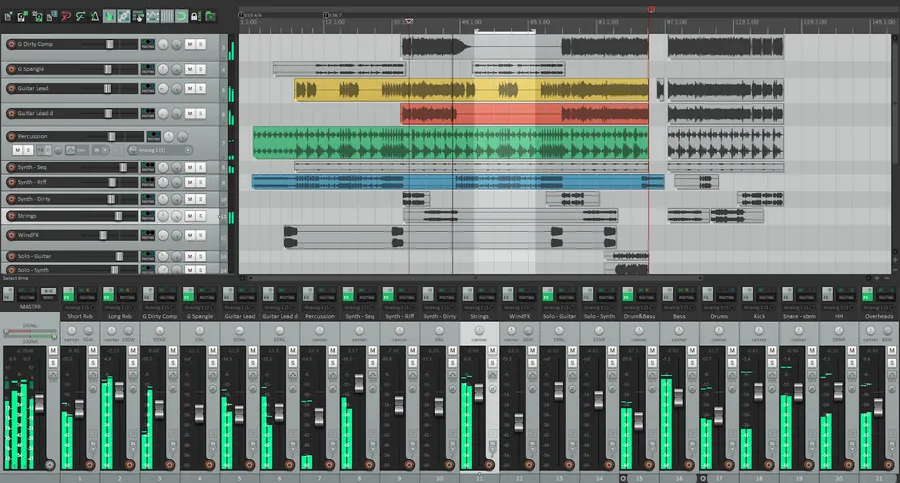
REAPER’s interface is functional rather than flashy. At first glance, it may feel outdated compared to modern DAWs—but that’s intentional.
The real strength lies in its complete customization.

Key UI Features:
- Custom themes and layouts
- Dockable panels
- Editable toolbars
- Custom shortcuts and menus
Strengths:
- Fully adaptable interface
- Efficient once configured
- Ideal for power users
Weaknesses:
- Steep learning curve
- Less beginner-friendly
- Requires setup time
Core Features Breakdown
Unlimited Tracks & Routing
REAPER allows unlimited tracks and offers one of the most advanced routing systems available. This makes it ideal for complex mixing and sound design.
Advanced Automation
- Automation items
- Per-item automation
- Detailed envelope editing
Non-Destructive Editing
All edits are non-destructive, allowing total flexibility during production.
Scripting & Custom Actions
Users can create macros, automate workflows, and even extend functionality using scripting languages like Lua or Python.
Latest Updates (2025–2026)
- Improved FX browser
- Enhanced MIDI editing
- Better automation visuals
- UI scaling improvements
- Performance optimization
Performance & Stability
REAPER is widely known for its exceptional performance.
- Fast project loading
- Low CPU usage
- Efficient RAM handling
- Stable even in heavy sessions
Even with large projects and multiple plugins, REAPER remains responsive and reliable.
Tools & Built-in Plugins
REAPER includes its own suite of plugins called ReaPlugs.
- ReaEQ
- ReaComp
- ReaDelay
- ReaVerb
- ReaGate
These plugins are efficient and clean but lack visual polish and presets.
Important: No built-in virtual instruments are included.
Workflow & Productivity
REAPER’s workflow becomes incredibly powerful once customized.
- Custom shortcuts
- Mouse modifiers
- Track templates
- Region-based editing
Compared to other DAWs, REAPER offers unmatched flexibility but requires effort to fully unlock its potential.
Pros & Cons
Pros
- Very affordable
- Extremely lightweight
- Highly customizable
- Stable and reliable
- Advanced routing system
Cons
- Not beginner-friendly
- No built-in instruments
- Basic default UI
Comparison
REAPER vs Logic Pro: Logic is easier for beginners, REAPER is more flexible.
REAPER vs Ableton Live: Ableton excels in live performance, REAPER in editing and mixing.
REAPER vs Pro Tools: Pro Tools is industry standard, REAPER is more affordable and efficient.
Final Verdict
REAPER is not for everyone—but for users who value control, performance, and customization, it’s one of the best DAWs available today.
- Extremely lightweight & fast
- Highly customizable interface
- Advanced routing & scripting
- Affordable compared to other DAWs
- UI not as modern as competitors
- Steeper learning curve
- Limited built-in instruments
Antares Auto-Tune Pro — A Tool That Shapes Intent, Not Just Pitch
When discussing vocal production, it’s difficult to separate technique from intention. Pitch correction, in that sense, is not merely about fixing inaccuracies—it’s about defining
-
By: Adrian Vexley
Ableton Live Review 2026: Still the Most Creative DAW?
Ableton Live continues to stand as one of the most forward-thinking digital audio workstations available today. Developed by Ableton, it blends music production and live
-
By: Adrian Vexley
Scaler 3 Review: A Structured Approach to Harmonic Composition
Scaler 3 is designed as a structured tool for harmonic composition, intended to assist users in generating chord progressions and musical ideas within a controlled framework.
-
By: Richard Holloway

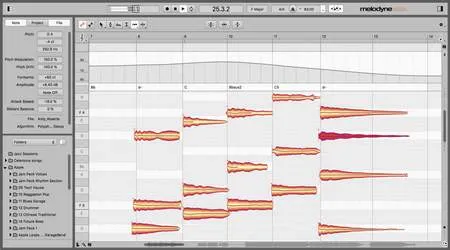
Celemony Melodyne — A Thoughtful Approach to Pitch, Timing, and Musical Detail
When working with recorded audio, there is often a subtle gap between what was performed and what the final production requires. The role of editing tools, then, is not to
-
By: Adrian Vexley
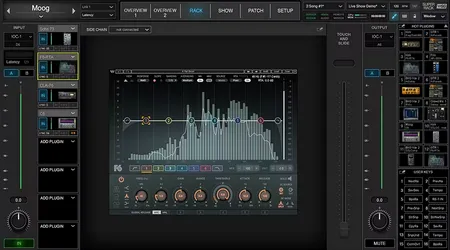
SuperRack SoundGrid Review – Real-Time Plugin Power Without the Headache?
Let’s be honest—running plugins live is one of those things that sounds easy in theory… until your CPU starts crying mid-show. That’s where SuperRack SoundGrid from Waves Audio
-
By: Ardi Pratama

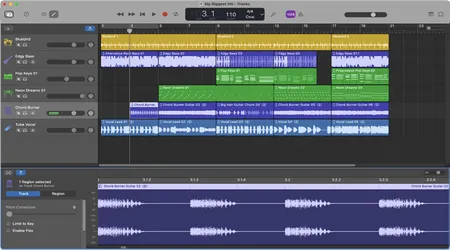
GarageBand Review 2026: Is Apple’s Free DAW Still Worth It?
GarageBand by Apple Inc. remains one of the most accessible digital audio workstations available today. Built for macOS and iOS, it offers an intuitive interface, high-quality
-
By: Adrian Vexley