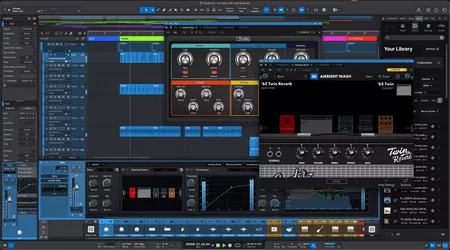
First Impression – Clean, But Not Exactly “Plug and Play”
When you first open SuperRack, it looks surprisingly clean.
No clutter, no unnecessary menus. Just racks, inserts, and meters. Very “studio meets live rig.”
But don’t get too comfortable yet.
Because setting it up—especially if you’re new to SoundGrid—can feel like assembling IKEA furniture without the manual.
At one point I genuinely stopped and thought:
“Am I missing something… or is this just how it works?”
Turns out… yeah, it’s just how it works.
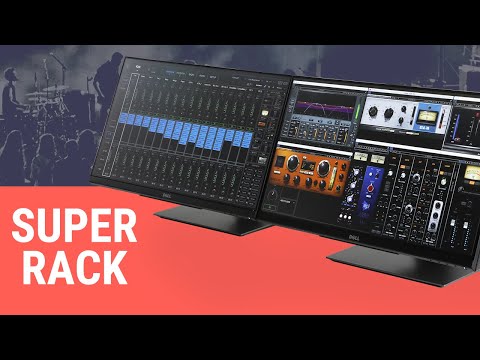
What It Actually Does (Without the Marketing Talk)
In simple terms:
SuperRack lets you run Waves plugins in real-time for live audio setups using SoundGrid servers.
So instead of your laptop doing all the heavy lifting, a dedicated server handles the processing.
Result?
- Lower latency
- More stability
- Way less stress on your CPU
And honestly… that part works really well.
Real Usage – Where It Starts to Shine
Once everything is set up properly, this thing feels solid.
Like, “I can actually trust this in a live show” kind of solid.
You get:
- Real-time plugin chains (EQ, compression, reverb, etc.)
- Snapshot recall (super useful for live sets)
- Multi-rack workflow (great for complex setups)
I tried stacking multiple plugins on vocal chains, and surprisingly… no hiccups.
No weird glitches. No panic moments.
Which, if you’ve ever done live mixing, you know is kind of a big deal.
The Good Stuff 👍
1. Stability is the Main Selling Point
Once running, it’s rock solid.
Not “mostly stable.”
Not “stable unless you push it.”
Just… stable.
2. Offloading Processing Actually Helps
Using a SoundGrid server makes a noticeable difference.
Your laptop goes from:
“I might survive this”
to:
“Yeah, I’m chilling.”
3. Snapshot System is a Lifesaver
Switching between scenes during a live set is smooth.
No clicks, no awkward transitions.
Just clean changes.
4. Plugin Integration Feels Natural
If you’ve used Waves plugins before, you’ll feel right at home.
No learning curve there.
The Not-So-Fun Parts 👎
1. Setup Can Be Confusing
Not gonna sugarcoat it—this is the biggest pain point.
SoundGrid ecosystem = cables, servers, routing, configs…
It’s not beginner-friendly.
At all.
2. Requires Extra Hardware
You don’t have to use a server… but you kind of do if you want the full benefit.
Which means more cost.
3. Overkill for Small Setups
If you’re just mixing a small gig or doing basic processing…
This might be too much.
It’s like bringing a full studio rack to a coffee shop performance.
4. Documentation Doesn’t Always Help
Sometimes you read the guide and go:
“Okay… but what do I actually click?”
Yeah, that happens.
Who Is This Actually For?
This is clearly built for:
- Live sound engineers
- Touring setups
- Broadcast environments
- Complex mixing scenarios
If you’re in that world, this makes sense.
If you’re just experimenting or doing small gigs…
You might feel overwhelmed.
Final Thoughts – Worth It or Not?
SuperRack SoundGrid is one of those tools that’s incredible… once you get past the setup phase.
It’s not beginner-friendly. It’s not cheap. And it’s definitely not casual.
But if you need reliable, real-time plugin processing in a live environment, it delivers.
No drama. No surprises.
Just solid performance.