Pro Tools Review (2026): The Industry-Standard DAW Still Worth It?
Pro Tools by Avid Technology, Inc. remains the gold standard in professional audio production—but does it still deserve that title in 2026? This in-depth review breaks down everything from pricing and performance to workflow, plugins, and real-world usability. Whether you're a music producer, audio engineer, or post-production professional, we explore exactly where Pro Tools excels—and where it falls behind newer DAWs. If you're considering investing in Pro Tools or switching from another DAW, this guide will help you make a confident decision.

Introduction
For decades, Pro Tools has been the backbone of professional studios worldwide. Developed by Avid Technology, Inc, it continues to dominate recording and post-production environments.
But in 2026, competition is stronger than ever. DAWs like Logic Pro, Ableton Live, and Cubase are pushing innovation forward. So the real question is—does Pro Tools still deserve its legendary status?
Pricing & Plans
- Pro Tools Artist – Best for beginners
- Pro Tools Studio – Ideal for producers
- Pro Tools Ultimate – Professional studios & post-production
While powerful, Pro Tools remains one of the more expensive DAWs due to its subscription model.
System Requirements
- Windows 10/11 or macOS
- 8 GB RAM (16 GB recommended)
- SSD required
- Modern multi-core CPU
For best results, a high-end system is strongly recommended.
Interface & User Experience
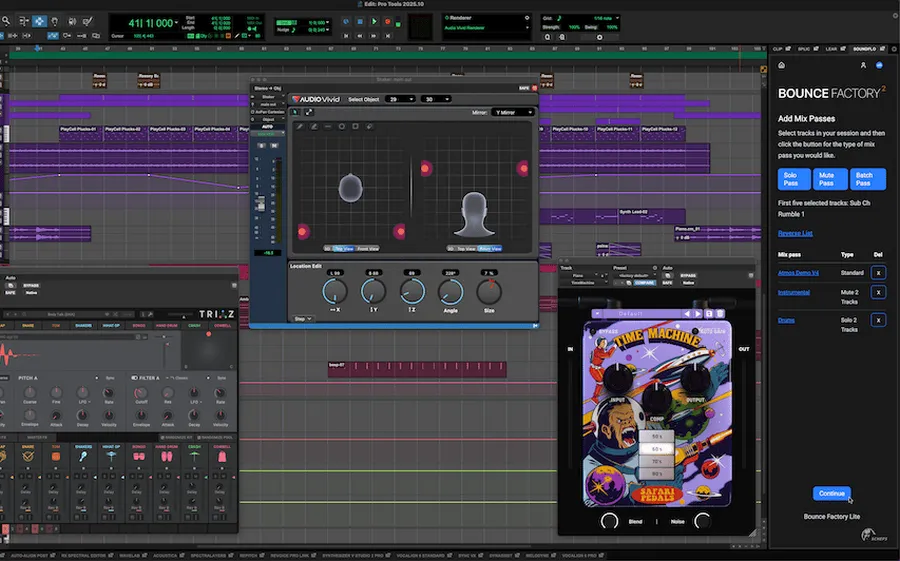
Pro Tools features a professional, no-nonsense interface with two main views: Edit and Mix.
- Highly precise editing tools
- Industry-standard layout
- Steep learning curve
Core Features
- Multitrack recording
- Elastic Audio (time-stretching)
- Advanced automation
- Clip gain editing
- Dolby Atmos support
Recent updates improved Apple Silicon performance and added better MIDI tools and folder tracks.
Performance & Stability
Pro Tools is stable and powerful, especially for large sessions. However, it can be CPU-intensive and requires optimization.
Plugins & Tools
- EQ & Dynamics
- Reverb & Delay
- Basic instruments
Stock plugins are clean but not the most creative compared to competitors.
Workflow & Productivity
Pro Tools is built for speed and precision:
- Fast editing shortcuts
- Powerful routing
- Session templates
Best suited for structured, professional workflows.
Pros & Cons
Pros
- Industry standard
- Excellent editing tools
- Reliable performance
Cons
- Expensive
- Steep learning curve
- Limited creative tools
Comparison
- Logic Pro: Easier for beginners
- Ableton Live: Better for creativity
- Cubase: Strong MIDI tools
Final Verdict
Pro Tools remains a powerhouse DAW for professionals. While not the most beginner-friendly or creative-first option, it still dominates in recording, editing, and mixing workflows.
- Industry-standard DAW used in professional studios
- Extremely powerful editing and mixing tools
- High-quality audio engine
- Excellent plugin ecosystem
- Expensive subscription plans
- Steep learning curve for beginners
- Requires high-end hardware for best performance
I Switched from CapCut to VN… Here’s What Happened
“I left CapCut for VN thinking it would be a clear upgrade… but after actually using it, I realized something — better doesn’t always mean easier.”
-
By: Nara Kinsley

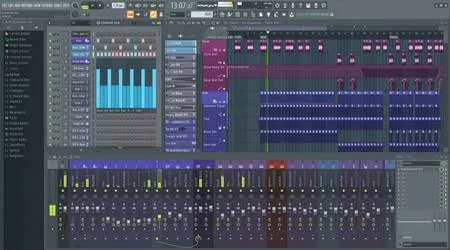
FL Studio 2026 Review – The Most Flexible DAW Just Got Smarter
FL Studio 2026 by Image-Line continues to evolve as one of the most recognizable and versatile digital audio workstations on the market. Known for its pattern-based workflow and
-
By: Adrian Vexley
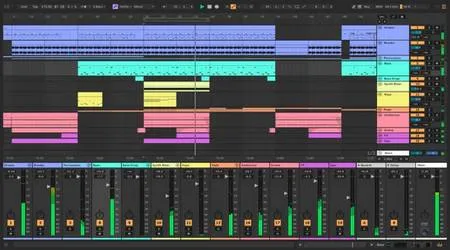
Ableton Live Review 2026: Still the Most Creative DAW?
Ableton Live continues to stand as one of the most forward-thinking digital audio workstations available today. Developed by Ableton, it blends music production and live
-
By: Adrian Vexley
Ableton Live vs FL Studio (2026): Full Comparison, Pros & Cons, and Which DAW Is Better?
Stuck choosing between Ableton Live and FL Studio? You’re not alone. These two DAWs dominate modern music production—but they’re built for very different workflows. One is all
-
By: Adrian Vexley
GarageBand Review 2026: Is Apple’s Free DAW Still Worth It?
GarageBand by Apple Inc. remains one of the most accessible digital audio workstations available today. Built for macOS and iOS, it offers an intuitive interface, high-quality
-
By: Adrian Vexley
SuperRack SoundGrid Review – Real-Time Plugin Power Without the Headache?
Let’s be honest—running plugins live is one of those things that sounds easy in theory… until your CPU starts crying mid-show. That’s where SuperRack SoundGrid from Waves Audio
-
By: Ardi Pratama