TikTok Music Trends 2026: Viral Songs, AI Remixes & What’s Dominating Right Now
The top TikTok music trends in 2026 are driven by short-form storytelling, AI-assisted remixes, nostalgic throwbacks, and hyper-niche micro-genres. Viral success now depends less on full songs and more on 10–20 second “hook moments” that inspire trends, challenges, and emotional connection.

Let’s be real — TikTok isn’t just influencing music anymore. It’s basically controlling it.
In 2026, songs don’t go viral because they’re technically perfect or radio-ready. They go viral because they fit a moment. One clip, one emotion, one relatable scenario — and suddenly that sound is everywhere.
You’ve probably experienced it. You open TikTok “just for a minute,” and suddenly you hear the same sound 20 times… from completely different creators, completely different contexts. That’s not random. That’s how the system works now.
What’s even crazier? Most people don’t even know the full song. They just know that one part — the 10 to 15 seconds that hit just right.
And honestly… that’s enough.
So yeah, if you’re wondering what’s actually dominating TikTok music in 2026 — this is it.
1. The Era of “That One Part”
Full songs? Still important.
But viral songs? It’s all about that one part.
The strongest TikTok tracks today are built around a very specific moment:
- A line that feels way too relatable
- A drop that hits at the perfect timing
- A melody that sticks instantly
You don’t need 3 minutes. You need 12 seconds that people want to loop.
And once creators find that moment, they build everything around it:
- POV videos
- Edits
- Transitions
- Storytelling clips
That one snippet becomes the identity of the entire song.
What’s interesting is… sometimes the rest of the song doesn’t even matter.
There are tracks right now blowing up purely because of one emotional line — while the rest of the song barely gets attention.
Is that weird? A little.
Is it effective? Absolutely.
2. AI Remixes: Too Many Versions, Somehow Still Viral
If you search for a trending TikTok sound right now, chances are you won’t find just one version.
You’ll find:
- Sped up
- Slowed + reverb
- Bass boosted
- Emotional edits
- Genre-switched versions
And yeah… sometimes it’s confusing.
But here’s the thing: it works.
AI tools have made remixing insanely fast. What used to take hours (or actual skill) can now be done in minutes. That means:
- More variations
- More chances to go viral
- More ways for people to connect with the same song
Different versions hit different moods.
Maybe the original feels “okay”… but the slowed version? Suddenly it feels emotional.
Or the sped-up version turns it into something perfect for edits.
And sometimes — let’s be honest — the remix becomes bigger than the original.
Which is a little awkward for the artist… but also kind of impressive.
3. Micro-Genres Are Getting Ridiculously Specific
Genres used to be simple.
Pop. EDM. Hip-hop. Indie.
Now?
It’s chaos. But like… organized chaos.
In 2026, people don’t really care about genre labels anymore. They care about vibes.
And those vibes are getting very specific:
- “Late night overthinking core”
- “Soft chaos indie”
- “Gym but emotionally unstable”
- “Main character walking in the rain energy”
None of these are official genres.
But they work better than traditional ones.
Why?
Because they describe a feeling instantly.
When someone searches for a sound, they’re not thinking:
“I want indie pop.”
They’re thinking:
“I want something that feels like I’m alone at 2AM overthinking everything.”
That’s a completely different mindset.
And TikTok understands that.
4. Nostalgia Is Still Carrying Half the Platform
If a song sounds like it came from the early 2000s or 2010s… it’s probably trending again.
We’re seeing:
- Old pop hits resurfacing
- EDM tracks getting a second life
- Indie songs from years ago suddenly going viral
And the funniest part?
A lot of people don’t even realize these songs are old.
They just hear it, feel something, and assume it’s new.
Nostalgia works because:
- It triggers emotion instantly
- It feels familiar (even if you can’t explain why)
- It connects different generations
For older users, it’s a throwback.
For younger users, it’s “new music.”
Either way, it spreads.
5. Storytelling Is More Important Than the Song
This is probably the biggest shift.
TikTok is no longer just about music. It’s about context.
A song becomes powerful when it’s attached to a story.
You’ve seen this format:
- “POV: you finally move on…”
- “When you realize you were the problem…”
- “That one moment you can’t forget…”
Then the music hits at the perfect timing.
That’s what makes it viral.
The sound alone isn’t enough.
It’s the combination of:
- Situation
- Timing
- Emotion
That’s why the same song can feel completely different depending on how it’s used.
And once a format works, thousands of people recreate it.
6. Independent Artists Are Winning More Than Ever
You don’t need a big label anymore.
Actually, sometimes having a label slows things down.
Right now, a lot of viral TikTok music comes from:
- Bedroom producers
- Independent artists
- Creators experimenting with sound
Why do they win?
Because:
- They move faster
- They’re more authentic
- They’re not overproduced
TikTok rewards content that feels real.
Not perfect. Not polished.
Just real.
That’s why someone can upload a rough demo… and still go viral.
And suddenly:
- The song blows up
- Streaming numbers follow
- Labels start paying attention
The order has completely flipped.
7. Trends Are Faster (and Shorter) Than Ever
This is the part that catches most people off guard.
Trends don’t last anymore.
They explode… and disappear just as fast.
Typical lifecycle:
- Day 1: someone posts it
- Day 2–3: creators jump in
- Day 4–5: it’s everywhere
- Day 7: it’s already fading
If you’re not early, you’re late.
There’s almost no middle ground.
This creates pressure for:
- Creators
- Artists
- Editors
Everyone is trying to move faster than the trend itself.
And honestly? It’s exhausting sometimes.
But that’s the game now.
8. The Algorithm Still Decides Everything
Let’s not pretend it’s random.
TikTok’s algorithm is still the biggest factor behind what goes viral.
It pushes:
- Sounds with high engagement
- Content that gets re-used
- Formats that people repeat
Once something starts working, the algorithm amplifies it.
That’s why you suddenly hear the same sound everywhere.
It’s not luck.
It’s distribution.
And once it picks a sound… it goes all in.
9. Why TikTok Still Dominates Music Discovery
Even with new platforms popping up, TikTok is still the main driver of music discovery.
Why?
Because it combines:
- Massive audience
- Fast content loop
- Easy sound reuse
- Strong creator ecosystem
It’s not just about listening.
It’s about participating.
People don’t just hear music — they use it.
And that makes all the difference.
Final Thoughts
Music in 2026 feels different.
It’s faster. Shorter. More emotional. More unpredictable.
It’s not about creating a perfect song anymore.
It’s about creating a moment people want to use.
Sometimes it’s nostalgic.
Sometimes it’s chaotic.
Sometimes it’s just one random line that hits way too hard.
And honestly?
Your next favorite song is probably already out there —
you just haven’t scrolled far enough yet.
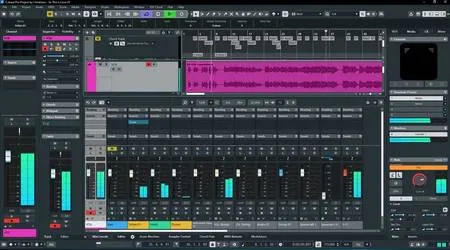
Cubase Pro 15 Review: The Most Complete DAW for Modern Producers?
Cubase Pro 15 by Steinberg refines one of the most powerful digital audio workstations available today. With smarter workflow tools, deeper MIDI capabilities, and improved
-
By: Adrian Vexley
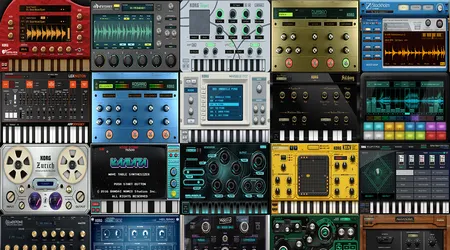
KORG Gadget 3 Review (2026): Fastest Way to Make Music or Just a Sketch Tool?
There’s a quiet difference between software that offers possibilities… and software that actually moves you forward. KORG Gadget 3 sits firmly in the latter. Not because it does
-
By: Richard Holloway
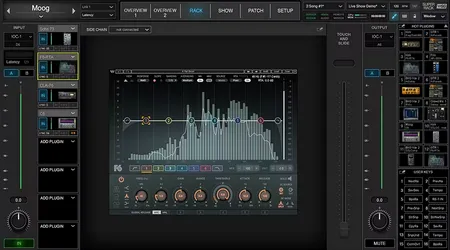
SuperRack SoundGrid Review – Real-Time Plugin Power Without the Headache?
Let’s be honest—running plugins live is one of those things that sounds easy in theory… until your CPU starts crying mid-show. That’s where SuperRack SoundGrid from Waves Audio
-
By: Ardi Pratama

CapCut Free vs Pro — Do You Actually Need to Upgrade?
CapCut is free… until you actually try to make something good — then it quietly reminds you what ‘free’ really means.
-
By: Nara Kinsley
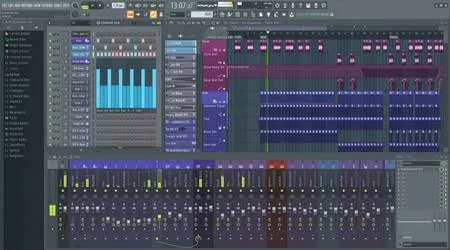
FL Studio 2026 Review – The Most Flexible DAW Just Got Smarter
FL Studio 2026 by Image-Line continues to evolve as one of the most recognizable and versatile digital audio workstations on the market. Known for its pattern-based workflow and
-
By: Adrian Vexley
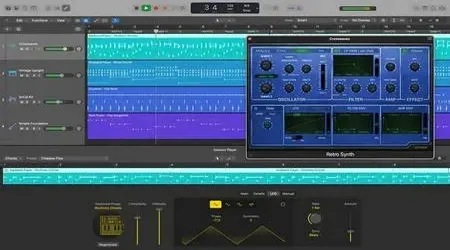
Logic Pro Review (2026): Apple’s Flagship DAW Still Dominates Creative Music Production
Logic Pro by Apple Inc. remains one of the most powerful and accessible digital audio workstations available today. Designed exclusively for macOS, it blends professional-grade
-
By: Adrian Vexley