Crave Stereo Enhancer 2026 Review – Clean, Powerful Stereo Widening Without the Guesswork
Crave Stereo Enhancer 2026 by Crave DSP Limited is a precision-focused stereo imaging plugin built for modern music production. It delivers clean, phase-safe stereo widening with intelligent DSP processing, making it ideal for producers, mixing engineers, and content creators who want wider mixes without sacrificing clarity. With frequency-dependent control, real-time visualization, and ultra-low CPU usage, it offers a perfect balance between simplicity and professional-grade performance.

Introduction
In today’s music production landscape, stereo width is no longer optional—it’s essential. A mix that feels narrow struggles to compete, while over-widening can destroy punch and introduce phase issues.
Crave Stereo Enhancer 2026 is built to solve that exact problem. Developed by Crave DSP Limited, this plugin focuses on delivering controlled, musical stereo expansion that works in real-world mixes—not just in isolation.
Instead of chasing complexity, it prioritizes clarity, efficiency, and reliability. That makes it especially appealing for producers who want fast results without diving into overly technical workflows.
Pricing & Plans
- Free Version: Basic stereo widening
- Full Version: Full feature set with advanced control
Value Insight:
This plugin hits a sweet spot. It’s affordable, avoids subscriptions, and delivers real professional value—especially considering its audio quality and performance efficiency.
System Requirements
- Windows 10 / 11
- macOS (Intel & Apple Silicon)
- Formats: VST3, AU, AAX
- RAM: 4GB minimum (8GB recommended)
Even on mid-range setups, performance is smooth and responsive.
Interface & User Experience
The UI is one of the plugin’s biggest strengths. It’s clean, modern, and instantly understandable.
- Minimalist design
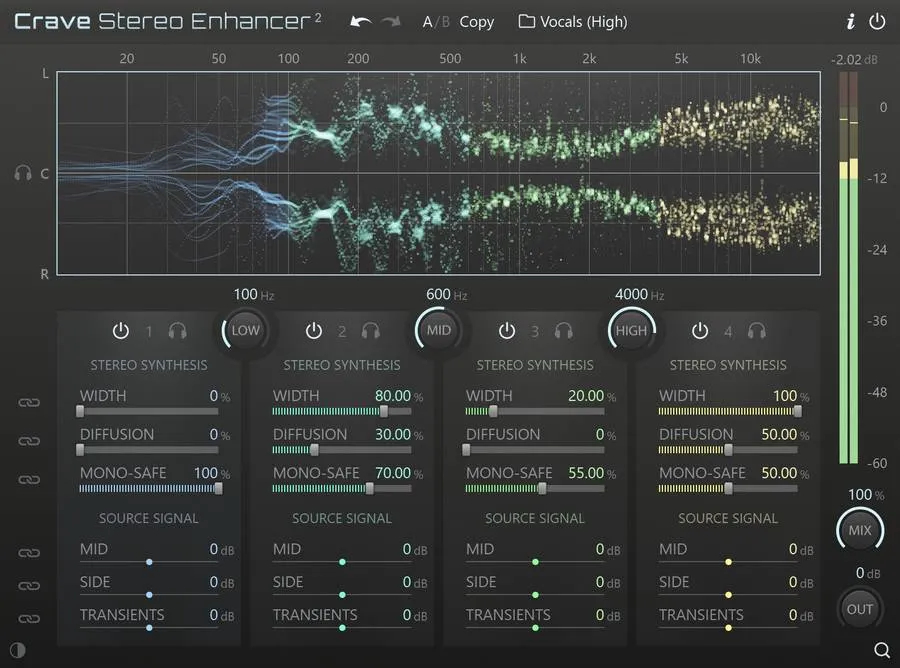
- Real-time stereo visualization
- Smooth parameter control
You don’t need a manual. Within seconds, you’re already improving your mix.
Core Features Breakdown
Intelligent Stereo Widening
Unlike traditional wideners, Crave uses refined DSP to expand stereo width naturally without hollowing out the center.
Frequency-Dependent Widening (2026 Upgrade)
This is a game-changer. You can widen highs and mids while keeping the low-end tight and mono-focused.
Mono Compatibility Protection
Built-in safeguards ensure your mix won’t collapse when played in mono—critical for streaming and mobile playback.
Stereo Visualization
Real-time visual feedback helps you avoid over-processing and maintain balance.
Harmonic Enhancement
Adds subtle richness, making tracks feel more alive and present.
Performance & Stability
- Very low CPU usage
- Near-zero latency
- Highly stable across DAWs
This is the kind of plugin you can stack across multiple tracks without worrying about performance.
Workflow & Productivity
This plugin is built for speed.
- Instant results
- Minimal tweaking required
- Great for “set-and-forget” use
Compared to heavier plugins, it removes friction from your workflow.
Pros & Cons
Pros:
- Clean, musical stereo widening
- Excellent mono compatibility
- Extremely lightweight
- Beginner-friendly but pro-capable
- Frequency-based control is highly useful
Cons:
- Limited advanced metering
- Not a full mastering suite
- Minimal preset options
Comparison
- vs Ozone Imager: Crave is lighter and more musical
- vs Waves S1: More modern UI and workflow
- vs FabFilter tools: Less complex, faster results
It’s not trying to replace everything—it’s trying to be your go-to stereo tool. And it succeeds.
Final Verdict
Crave Stereo Enhancer 2026 is one of those plugins that quietly becomes essential. It’s fast, reliable, and sounds great in almost any situation.
Final Rating: 9.1/10
If you want clean stereo width without complexity, this is an easy recommendation.

- Simple and intuitive interface
- Clean stereo widening without phase issues
- Low CPU usage
- Great for mixing and mastering
- Limited advanced controls
- Not ideal for heavy sound design
- No built-in presets for beginners
Cubase Pro 15 Review: The Most Complete DAW for Modern Producers?
Cubase Pro 15 by Steinberg refines one of the most powerful digital audio workstations available today. With smarter workflow tools, deeper MIDI capabilities, and improved
-
By: Adrian Vexley
Reason by Reason Studios Review (2026): A Creative Powerhouse DAW That Still Thinks Differently
Reason by Reason Studios remains one of the most unique digital audio workstations available today, combining a modular rack-based workflow with a modern production environment.
-
By: Adrian Vexley
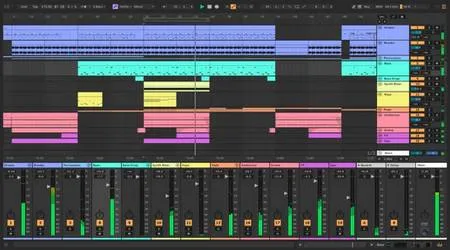
Ableton Live Review 2026: Still the Most Creative DAW?
Ableton Live continues to stand as one of the most forward-thinking digital audio workstations available today. Developed by Ableton, it blends music production and live
-
By: Adrian Vexley
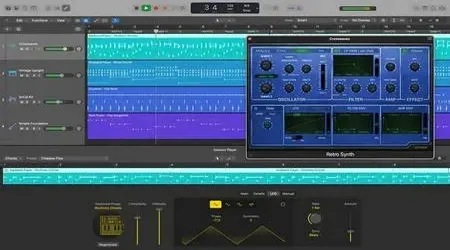
Logic Pro Review (2026): Apple’s Flagship DAW Still Dominates Creative Music Production
Logic Pro by Apple Inc. remains one of the most powerful and accessible digital audio workstations available today. Designed exclusively for macOS, it blends professional-grade
-
By: Adrian Vexley
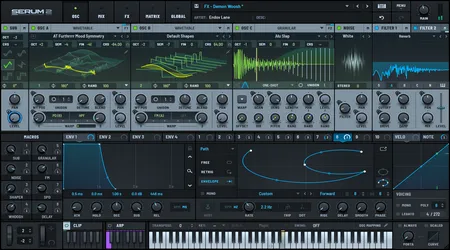
Xfer Records Serum 2 Review – Features, Pros, Cons & Is It Worth It in 2026?
Xfer Records Serum 2 is a next-generation hybrid synthesizer that expands beyond classic wavetable design. With new engines like granular, spectral, and multisample synthesis,
-
By: Adrian Vexley
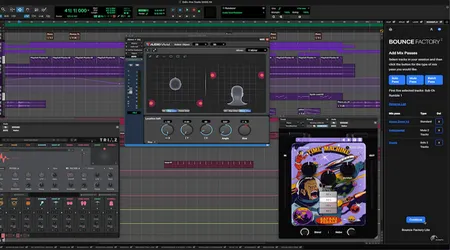
Pro Tools Review (2026): The Industry-Standard DAW Still Worth It?
Pro Tools by Avid Technology, Inc. remains the gold standard in professional audio production—but does it still deserve that title in 2026? This in-depth review breaks down
-
By: Adrian Vexley